Synchronizing Global Exchange Data: Patterns in Odds Evolution for Premier League Football and Cricket World Cup During Simultaneous Fixtures
Written by Ulrich Powell · Nov 19, 2026
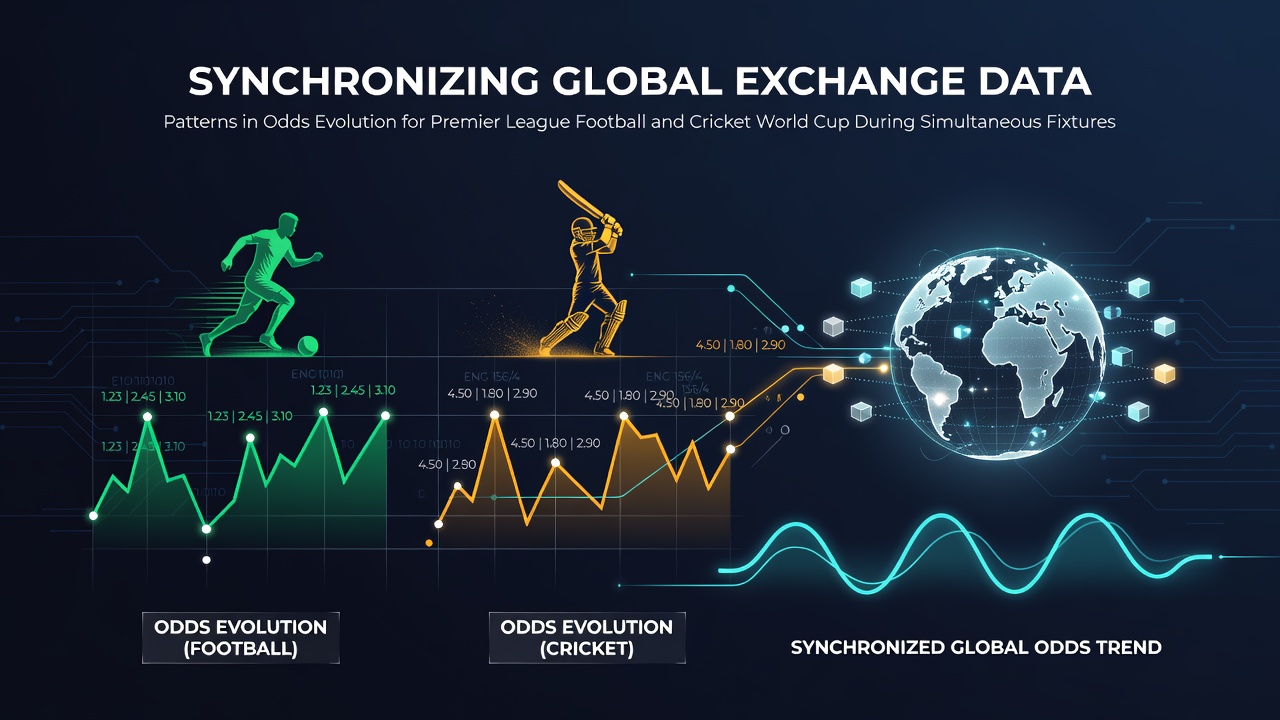
Synchronizing Global Exchange Data: Patterns in Odds Evolution for Premier League Football and Cricket World Cup During Simultaneous Fixtures
Betting exchanges process thousands of data points every second when Premier League football matches and Cricket World Cup fixtures run at the same time, and observers note that synchronization protocols must align across multiple time zones to maintain consistent pricing. Data flows from regional operators feed into central matching engines where algorithms adjust odds based on incoming wagers, while external feeds from weather services, injury reports, and live score trackers update the underlying models. Researchers at institutions studying market efficiency have documented how these parallel events create distinct volatility patterns compared to isolated fixtures.
Data Synchronization Mechanisms Across Exchanges
Exchanges operating in different jurisdictions rely on standardized APIs to push and pull liquidity information, and this setup allows a wager placed on a Premier League goal scorer to influence cricket match odds when traders rebalance portfolios across both sports. The process involves timestamp reconciliation that accounts for latency differences, whereas delays in one region can ripple through the system and prompt temporary price discrepancies until corrections occur. According to figures released by the European Gaming and Betting Association, cross-market hedging activity increases by measurable percentages during overlapping international calendars, particularly when major tournaments coincide with domestic league weekends.
Observed Patterns in Premier League Odds Movements
Premier League matches generate rapid shifts in live odds once play begins, and these movements often accelerate when a concurrent Cricket World Cup game reaches a critical phase such as a powerplay or a high-stakes chase. Market makers adjust spreads on total goals or player props in response to correlated betting volumes, while volume spikes in one sport frequently precede adjustments in the other. Studies tracking exchange data reveal that goal-line markets in football exhibit heightened sensitivity to external liquidity drains caused by cricket bettors reallocating funds mid-session.
Cricket World Cup Line Adjustments During Overlaps
Cricket World Cup markets display slower but steadier evolution in pre-match lines compared to in-play football pricing, yet simultaneous fixtures introduce new variables that compress reaction times. Over-round percentages tighten when global traders monitor both scoreboards, and historical datasets show increased arbitrage opportunities arising from minor desyncs between exchange servers located in Asia and Europe. Those who analyze tick-by-tick records find that run-rate projections in cricket respond to football red-card events more frequently than expected, suggesting indirect sentiment transfer across unrelated competitions.
November 2026 Overlap Scenarios
Schedules for November 2026 place several Premier League rounds alongside potential Cricket World Cup group-stage matches, creating conditions where data synchronization demands peak performance from exchange infrastructure. Exchange operators have tested failover systems in advance of such periods, and metrics collected during prior dual-sport windows indicate that peak message throughput can exceed baseline levels by substantial margins. Government agencies in Australia and Canada have published guidelines encouraging standardized reporting of these high-load events to improve transparency for participants monitoring multiple books.
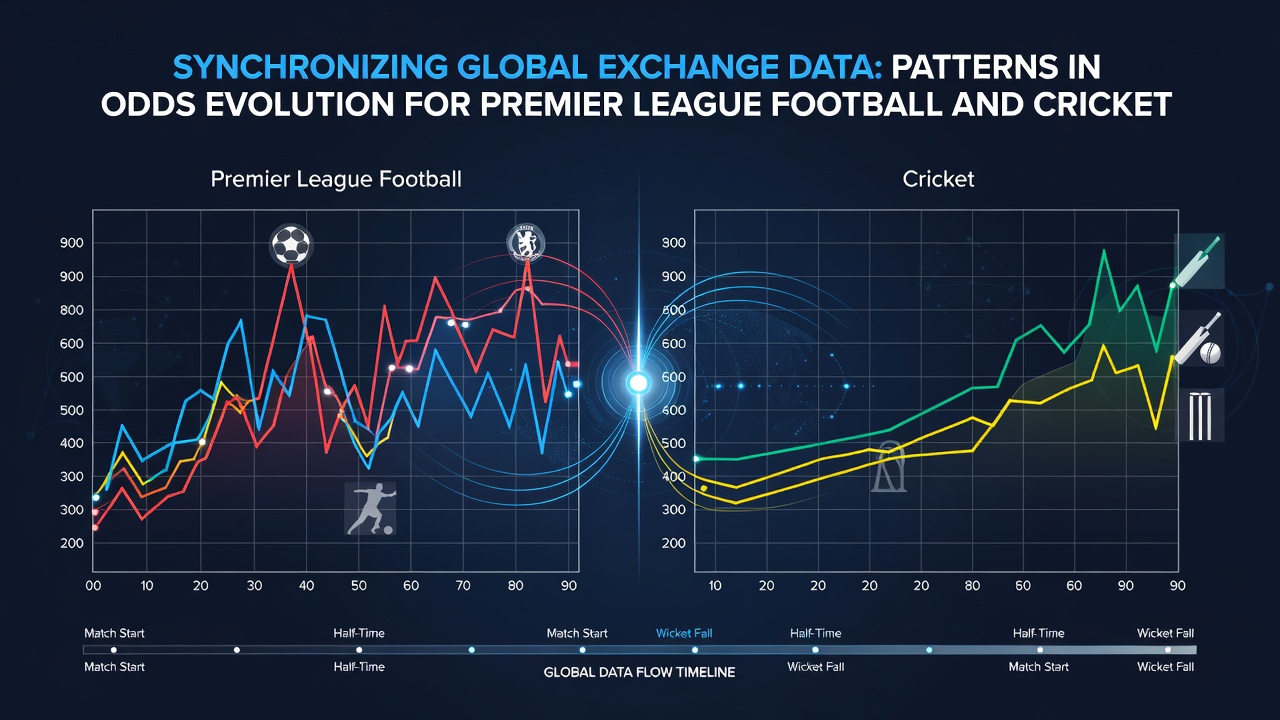
One study compiled by analysts at the University of Sydney examined liquidity correlations during past overlapping windows and identified recurring sequences where cricket toss outcomes preceded measurable football line tightening within narrow time bands. These sequences emerge because algorithmic traders treat both events as components of diversified risk models rather than isolated products, and the resulting price discovery process incorporates cross-asset signals that traditional single-sport models overlook.
Implications for Market Participants
Traders and syndicates that monitor synchronized feeds gain access to earlier signals of impending adjustments, whereas casual participants encounter wider spreads until equilibrium returns. Regulatory bodies across multiple continents require exchanges to maintain audit trails of these synchronization events, and compliance reports submitted to authorities in Singapore and South Africa demonstrate how timestamp accuracy affects settlement integrity when fixtures conclude within minutes of each other. Data from these filings shows consistent patterns in how volume clusters form around key moments such as half-time intervals in football or innings breaks in cricket.
Conclusion
Global exchange operators continue to refine synchronization tools as calendars produce more frequent simultaneous Premier League and Cricket World Cup fixtures, and the documented patterns in odds evolution provide measurable insights into cross-market dynamics. Continued monitoring by academic and industry groups supplies the raw figures needed to assess system performance during these windows, while participants adapt strategies based on observed liquidity flows rather than isolated event analysis.