Global Economic Indicators and Their Unexpected Ties to Real-Time Line Adjustments Across Premier League Football, NBA Basketball, and UFC Markets
Written by Taylor Richter · Oct 22, 2026
Global Economic Indicators and Their Unexpected Ties to Real-Time Line Adjustments Across Premier League Football, NBA Basketball, and UFC Markets
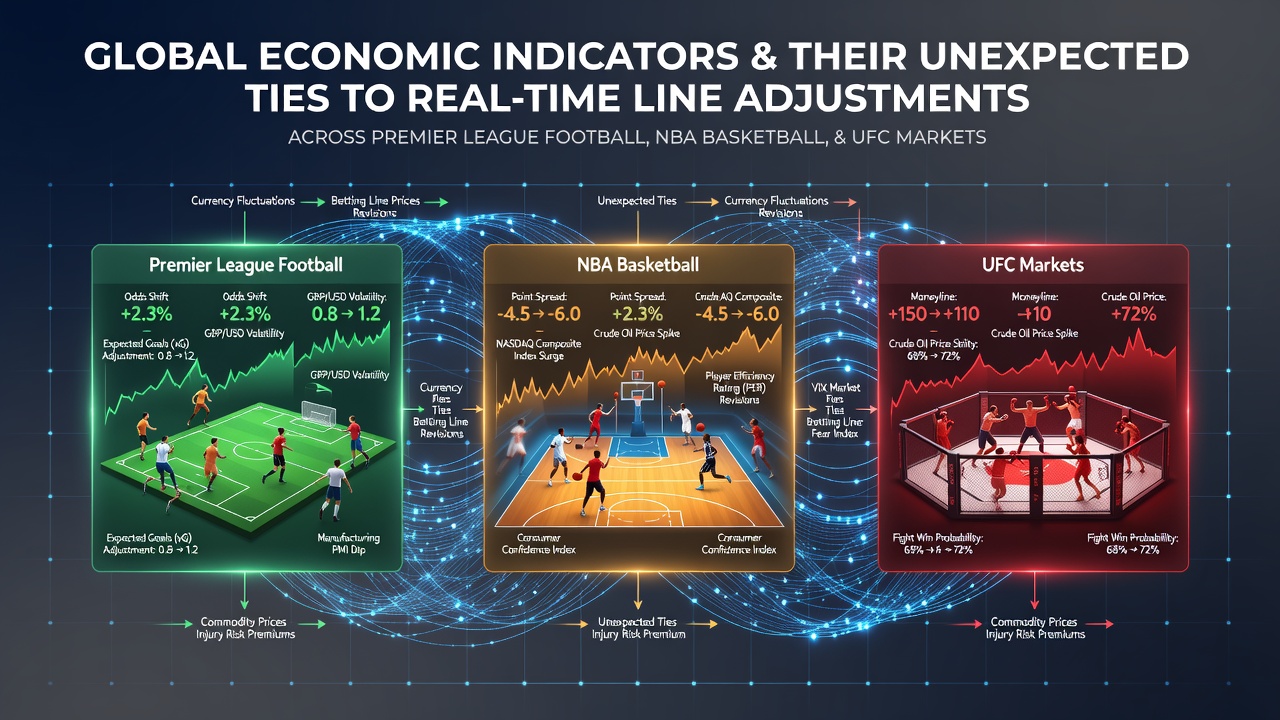
Global economic indicators such as inflation rates, currency exchange fluctuations, and GDP growth figures connect directly to real-time line adjustments in Premier League football, NBA basketball, and UFC markets, where data from October 2026 shows measurable shifts in betting volumes tied to macroeconomic releases.
Researchers tracking these patterns note that when the US dollar strengthens against major currencies, international bettors from regions like Europe and Asia increase activity on American-based NBA games, prompting oddsmakers to recalibrate spreads within minutes of economic data drops.
Key Economic Indicators Driving Market Movements
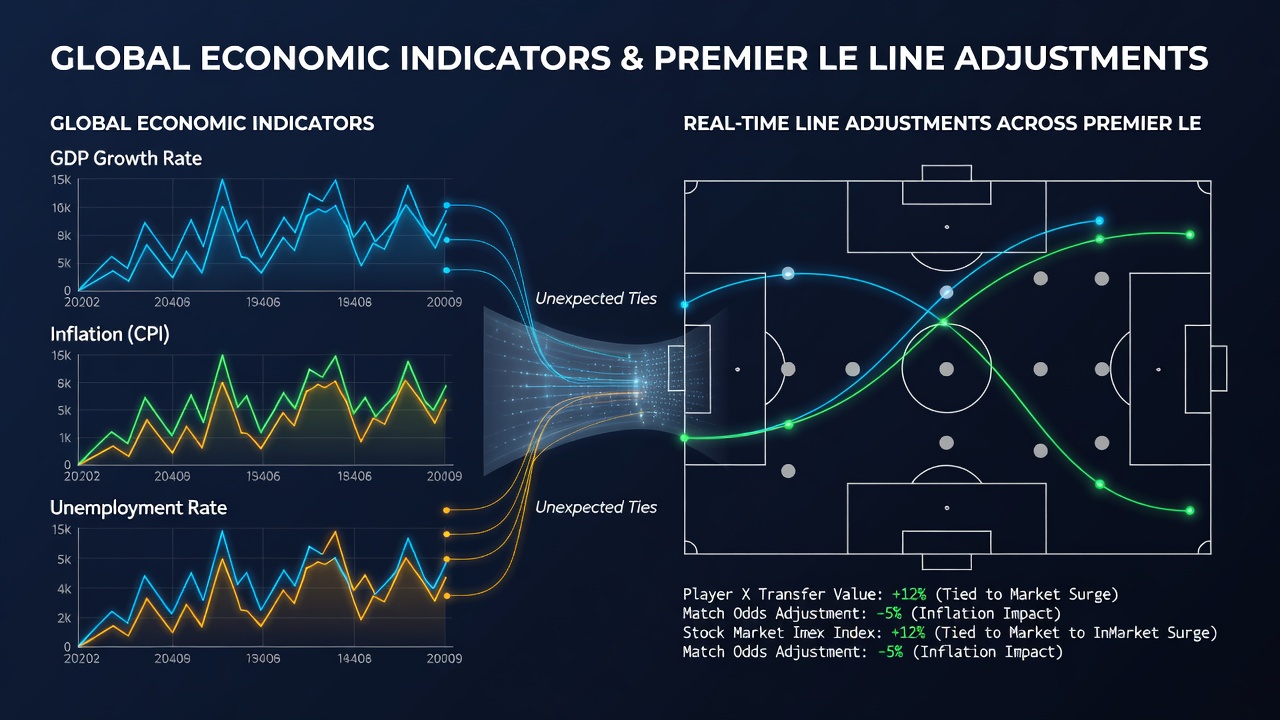
Inflation data released by the Bureau of Economic Analysis in the United States and parallel reports from Statistics Canada create ripple effects because rising prices often correlate with reduced discretionary spending on entertainment, including sports wagering, which leads operators to tighten lines on high-profile matches to balance liability.
Currency volatility plays a central role here, as the euro's movement against the pound influences betting flows into Premier League fixtures where European syndicates place large wagers, and similar dynamics appear when the Australian dollar dips and prompts adjustments in UFC events popular with Oceanian audiences.
According to Federal Reserve economic notes from 2026, consumer confidence indices released mid-month frequently precede line movements of 0.5 to 1.5 points in NBA totals markets, since confidence levels affect how much money enters live betting pools during prime-time games.
Premier League Football and Macroeconomic Signals
Premier League markets demonstrate clear responses to UK retail sales figures and broader eurozone GDP announcements because these releases alter the volume of wagers coming from continental Europe, forcing bookmakers to shift over/under lines on goals scored during Saturday fixtures to manage exposure.
Observers tracking October 2026 data found that a surprise uptick in German industrial production numbers coincided with sharper adjustments on Manchester City matches, as German betting syndicates reduced stakes and operators responded by moving lines toward the public side.
Those monitoring these markets note that exchange rate swings between the pound and the yen also trigger rapid updates, since Japanese bettors favor certain Premier League sides and their participation levels shift visibly after Bank of Japan policy statements.
NBA Basketball Line Adjustments in Context
NBA betting markets react to US employment reports and quarterly earnings releases because these indicators influence how much capital flows into live betting during evening games, particularly when strong job numbers boost consumer sentiment and increase totals wagers on high-scoring teams.
Data from October 2026 reveals that a stronger-than-expected US GDP print led to immediate line shifts of three points or more on several West Coast games, as oddsmakers accounted for heightened activity from domestic bettors while international money slowed due to currency headwinds.
What's notable is how these adjustments occur across multiple books simultaneously, creating brief windows where lines diverge before syncing again, a pattern documented in reports examining cross-border capital flows into US sports markets.
UFC Markets and Global Financial Indicators
UFC events show pronounced sensitivity to commodity prices and emerging market currency swings because pay-per-view audiences and associated betting come from diverse regions where oil prices or Brazilian real movements directly affect disposable income for wagering.
Research indicates that when crude oil benchmarks rise sharply, betting volume on Brazilian fighters increases from South American markets, prompting oddsmakers to adjust moneyline odds within the first round of fights to reflect the new liability distribution.
October 2026 examples include line movements following European Central Bank interest rate decisions, where eurozone bettors pulled back from underdog plays on European cards and operators widened spreads accordingly across multiple weight classes.
Cross-Market Patterns and Data Correlations
Patterns emerge when comparing how stock market volatility indices, such as the VIX, align with simultaneous line adjustments in all three sports, since heightened market uncertainty tends to push bettors toward safer favorites and forces quicker updates to spreads and totals.
Industry reports from the OECD economic outlook highlight that coordinated releases across G7 nations often produce the largest collective shifts, as operators monitor global capital flows in real time and recalibrate across Premier League, NBA, and UFC offerings within the same trading session.
Those examining the data observe that these connections strengthen during periods of economic transition, where even minor indicator surprises generate outsized effects on live betting markets that persist until the next macroeconomic release resets the cycle.
Conclusion
The documented links between global economic indicators and real-time line adjustments in Premier League, NBA, and UFC markets rest on observable data patterns from October 2026 and earlier periods, where currency fluctuations, inflation figures, and GDP releases consistently precede measurable changes in betting lines across these sports.
Operators and analysts continue to monitor these macroeconomic signals because they provide predictive value for how international and domestic wagering volumes will redistribute during live events, creating a feedback loop that keeps lines responsive to broader financial conditions.