Cross-Border Regulatory Changes Shape Pre-Match Pricing in Premier League and UFC Markets
Written by Taylor Richter · Oct 8, 2026
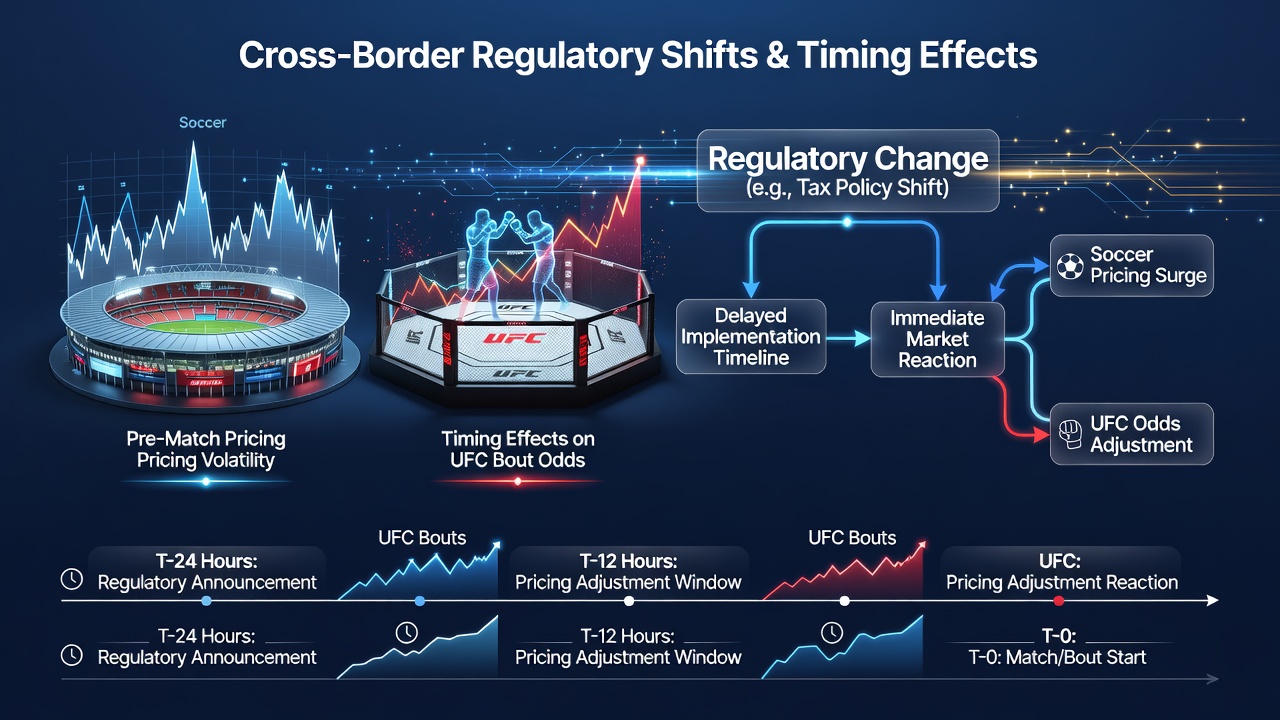
Cross-Border Regulatory Changes Shape Pre-Match Pricing in Premier League and UFC Markets
Regulatory adjustments across multiple jurisdictions have altered how operators calculate and release pre-match prices for Premier League soccer fixtures and UFC bouts, with timing playing a central role in those calculations. Data from industry tracking services shows that announcements made 48 to 72 hours before an event often produce measurable adjustments in opening lines, while earlier disclosures allow markets more time to stabilize around revised probabilities.
Operators must reconcile differing rules on market access, tax structures, and data reporting requirements that apply when bettors from one country place wagers on events hosted in another. In October 2026 several coordinated policy updates are scheduled to take effect in North American and European markets simultaneously, creating a compressed window for price finalization ahead of that month’s league and fight schedules.
Timing of Announcements and Line Adjustments
Research from academic centers that monitor gambling legislation indicates that the interval between a regulatory announcement and the first published odds directly influences how sharply lines move. When regulators release guidance with less than four days’ notice, pricing teams reduce the margin of error built into opening numbers to account for sudden compliance costs. This pattern appears in both Premier League weekend fixtures and UFC pay-per-view cards, where cross-border traffic represents a significant portion of total handle.
Operators respond by pulling prices from circulation for short periods while internal models incorporate new tax or reporting obligations. One study of European market data covering 2024 through 2025 found that lines reopened with 0.8 to 1.2 point shifts in implied probabilities when regulators issued updates inside a 72-hour window. Similar movements occurred in UFC betting markets during the same period, though the magnitude varied by weight class and fighter popularity.
Regional Policy Differences and Market Access
Rules governing market access differ sharply between jurisdictions that host major events and those that supply large betting populations. Australian federal guidelines on foreign betting operators, for example, require specific licensing disclosures that affect how prices are displayed to residents. Canadian provincial frameworks impose separate reporting timelines that operators must satisfy before accepting wagers on international soccer or mixed martial arts events. These staggered requirements create overlapping compliance calendars that pricing teams track through dedicated regulatory monitoring systems.
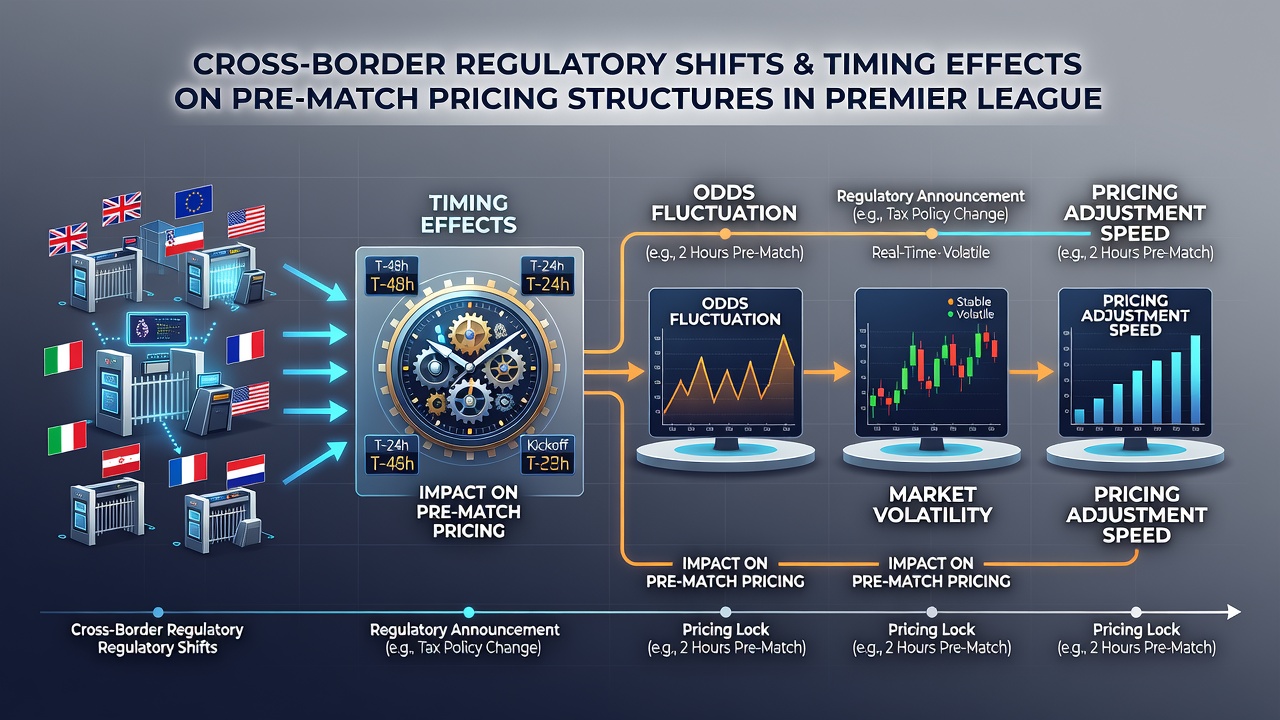
European Commission reports on digital services and consumer protection have introduced additional layers of data-sharing obligations that operators must integrate into pre-match workflows. When these obligations align with North American state-level changes, the combined effect shortens the period available for final price validation. Observers note that October 2026 will see at least three major jurisdictions implement revised tax remittance schedules within the same fortnight, compressing the preparation window for both league and combat sports markets.
Effects on Premier League and UFC Pricing Structures
Premier League matches scheduled for mid-October 2026 already appear on preliminary calendars used by pricing teams to test compliance models. Early simulations show that operators anticipate higher reserve margins on matches involving clubs with large international fan bases because regulatory changes in those fan markets can alter net revenue after taxes. UFC events scheduled for the same month face parallel adjustments, particularly for bouts promoted to audiences in jurisdictions that apply volume-based fees on cross-border transactions.
Industry associations such as the American Gaming Association have published compliance calendars that operators reference when aligning internal systems with multiple regulatory clocks. These calendars highlight periods when simultaneous updates reduce the lead time between final regulatory confirmation and odds publication. Data from those periods consistently shows tighter clustering of opening prices around consensus models once the regulatory parameters stabilize.
Operational Adjustments by Pricing Teams
Teams responsible for pre-match structures now maintain parallel modeling tracks that incorporate regulatory scenarios released at different lead times. When an announcement arrives inside 96 hours of an event, models automatically widen the acceptable variance band before lines are offered to the public. This approach has been documented in both soccer and UFC contexts, where timing mismatches between jurisdictions can produce temporary price divergence across operator platforms.
Academic papers examining regulatory timing effects, including work from research groups at institutions tracking global gambling policy, demonstrate that operators with automated compliance modules experience smaller and shorter-lived price fluctuations than those relying on manual review processes. The difference becomes especially visible during months such as October 2026 when multiple policy updates converge.
Conclusion
Cross-border regulatory shifts continue to influence the window during which pre-match prices for Premier League soccer and UFC bouts are finalized and released. The timing of announcements relative to event dates determines how much latitude pricing teams retain when incorporating new compliance costs and reporting rules. As October 2026 approaches, operators are aligning their models with overlapping regulatory calendars from North American, European, and Australian jurisdictions to manage the compressed preparation periods that result. Data from prior cycles shows that structured monitoring of announcement timing reduces the scale of subsequent line adjustments once markets reopen.